Last reviewed: 31 August 2026
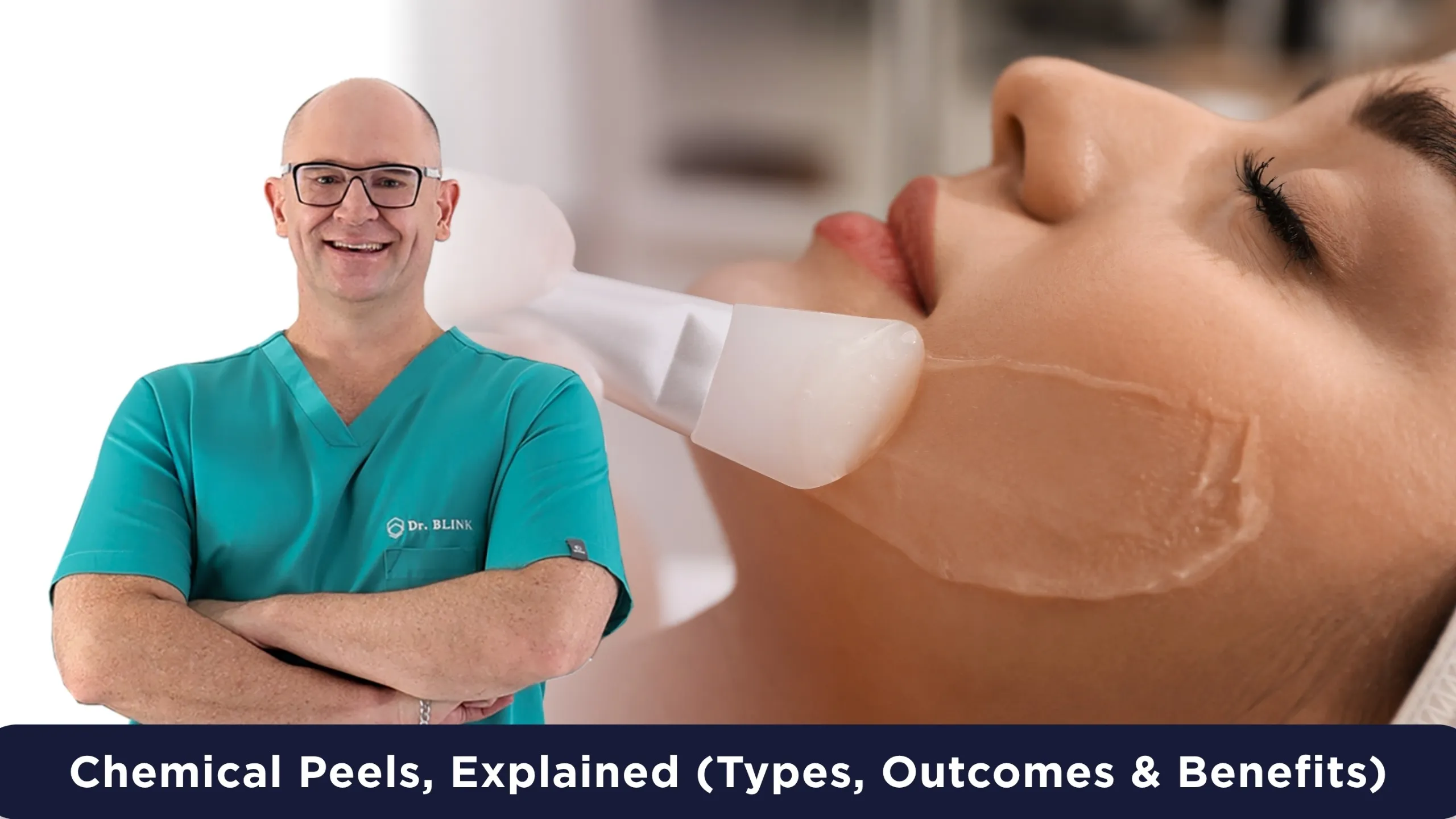
Chemical peels are professional skin resurfacing treatments that use active acids to create a controlled, gentle injury to the skin, stimulating regeneration and improving overall appearance. We classify them by how deep they penetrate: superficial, medium, and deep.
We all want that effortless, luminous glow, but for too long the aesthetics industry chased it through aggressive, ablative resurfacing, essentially stripping the skin in a forceful attempt at a fresh start. That’s not how I practice.
In this post, I’ll break down how chemical peels work, the peel systems I use in my Cape Town clinic, their benefits, and what to expect from a treatment session.
How Chemical Peels Work
To understand why professional chemical peels work, it helps to look at the biological interaction of Alpha Hydroxy Acids (AHAs). I regularly use glycolic- and lactic-acid-based formulations for their ability to work with the skin’s architecture rather than against it.
These acids work by gently lifting the desmosomes, the “glue” that holds dead skin cells to the epidermis. But their role goes far beyond simple exfoliation. AHAs also support the skin’s Natural Moisturising Factors (NMFs), helping the barrier stay resilient and hydrated through treatment.
In my clinic, I draw a clear line between the intense chemical peels of the past and the regenerative protocols I use today. Older, harsher methods often produced Type 3 collagen, which is disorganised and scar-like. My objective is neocollagenesis: the production of high-quality Type 1 collagen, which gives skin its youthful elasticity and strength. By respecting the skin’s biological shield, we trigger a controlled healing response without the trauma associated with aggressive resurfacing.
Our Chemical Peel Range
No two skins respond the same way, so I don’t rely on a single acid or a single brand. I work across three medical-grade peel systems so treatment can be matched to the skin in front of me:
Mesoestetic Peels. Widely used in medical aesthetics for pigmentation disorders, acne-prone skin, and more advanced signs of ageing. These deliver visible improvements in texture, tone, and clarity, though they carry moderate downtime with some flaking or peeling over a few days.
iS Clinical Peels. My go-to treatment when we’re ready to move beyond a gentle introductory peel. Built around TCA, the Prodigy 1 (P1) & Prodigy 2 (P2) peels offer a more targeted level of resurfacing, helping to refine texture, brighten the complexion and address visible signs of ageing with a more noticeable peel response. I often recommend these when the skin needs a little more than a glow, but still benefits from a controlled, carefully tailored approach.
Neostrata Peels. Scientifically formulated around alpha hydroxy acids to resurface and rejuvenate. These target fine lines, uneven tone, and everyday dullness, and suit a wide range of skin types, particularly early signs of ageing.
The lactic acid-based options in particular offer a few clear advantages:
- Deep hydration. They actively support the skin’s ability to retain moisture, which matters for anyone with a compromised barrier.
- Non-aggressive refinement. They brighten and smooth the complexion without the pro-inflammatory response associated with harsher acids.
- Restoration of clarity. They address the dullness and tired appearance that comes from daily exposure to sun, wind, and pollution.
Beyond the immediate glow, I often use a gentler peel as a strategic first step. Refining the surface lowers the skin’s resistance and opens the door for deeper regenerative work to follow.
Indications: Is Your Skin a Candidate?
Professional peels are versatile, but they are most transformative when targeted at specific clinical concerns:
- Early to advanced ageing. Addressing fine lines, deeper wrinkles, and the loss of firmness associated with dermal thinning.
- Tone and texture. Correcting dullness, rough texture, and the appearance of enlarged pores.
- Pigmentation and photo ageing. Essential for our climate, targeting uneven colour and sun damage by accelerating cellular turnover.
- Dehydration and sensitivity. Strengthening skin with an impaired barrier that needs structural support rather than more stripping.
Doctor’s note: the UV index in South Africa runs significantly higher than in Europe, which meaningfully raises the risk of Post Inflammatory Hyperpigmentation (PIH) when aggressive treatments are used carelessly. My non-photosensitising, barrier-respecting approach protects your skin’s biological shield, offering rejuvenation without leaving it dangerously sensitive to our sun.
When to Wait: Clinical Contraindications
Safety is important in my practice. A proper medical assessment ensures we select the correct protocol for your specific Fitzpatrick type (I to VI).
Here are some common conditions and the precautions we take:
| Condition | Reason for Caution |
| Active infection (e.g. Herpes Simplex) | Risk of spreading pathogens; antiviral course required first |
| Accutane use (within the last year) | Severely impaired healing response; risk of scarring |
| Uncontrolled diabetes | Poor wound healing and increased infection risk |
| Blood thinner medications | Increased risk of excessive bruising or petechiae |
| Active acne or eczema | Risk of secondary infection or severe inflammatory flare up |
| History of keloid scarring | Risk of abnormal tissue response and hypertrophic growth |
| Active cold or flu | Immune system needs to be uncompromised for optimal repair |
Dr Blink: Long-Term Radiance
Skin transformation is a matter of precision, not force. Choosing a professional, doctor-led, regenerative path means moving away from fleeting, trend-led fixes and toward results that actually hold up.
My goal is to build skin that not only looks younger today, but functions more effectively and ages beautifully for years to come. If you are ready to move beyond superficial scuffs and embrace a truly scientific approach to radiance, book an appointment at my Cape Town practice.
